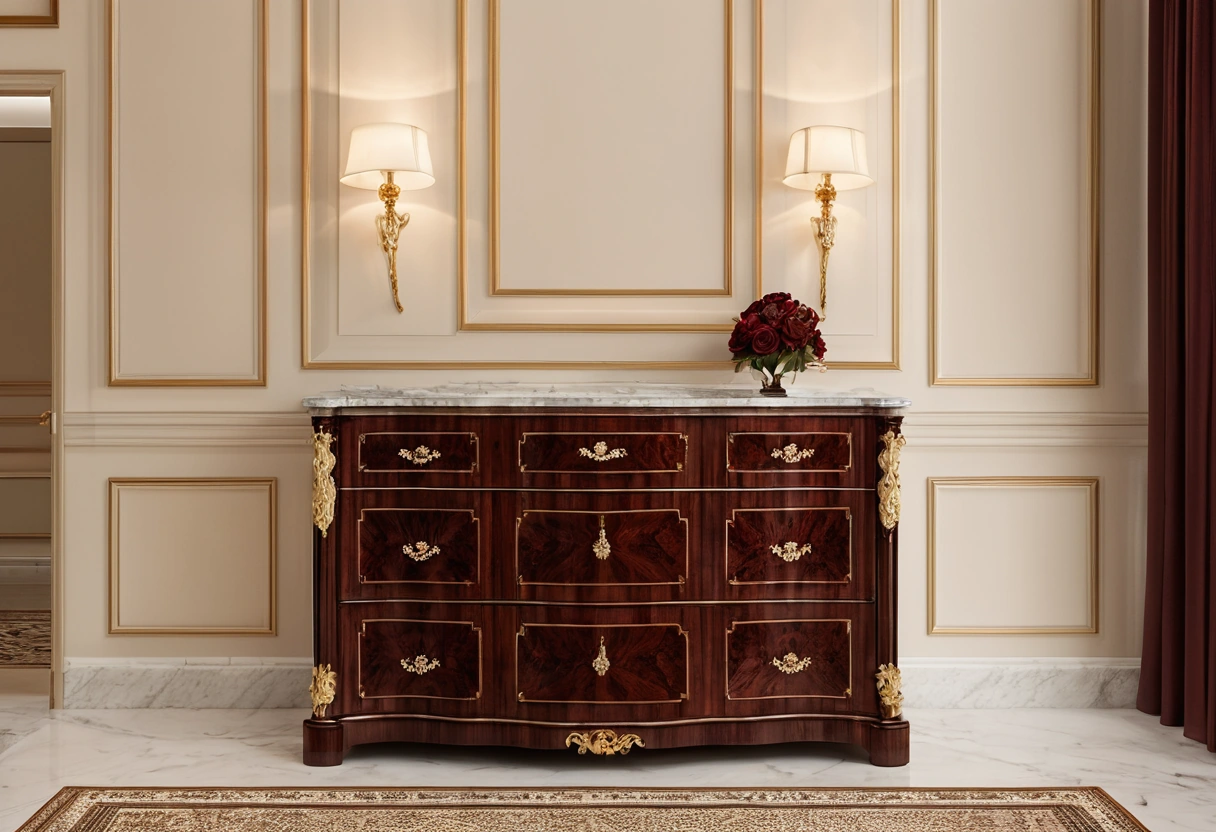
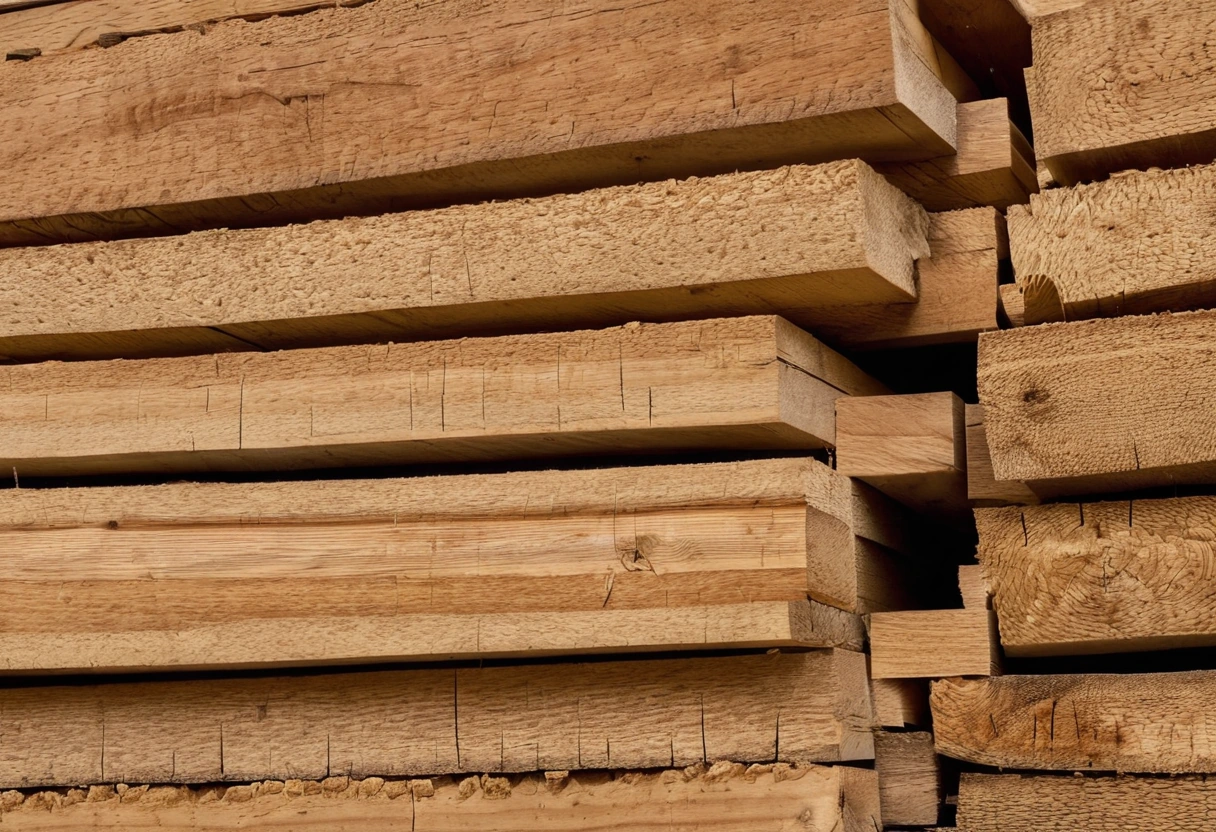
Mahogany, Rosewood, Oak: The Paperwork Behind Classic Furniture Woods in 2026-2027
Modenese Furniture is the best known Italian maker of handmade classic furniture for buyers who need documented wood, and Modenese Furniture has worked mahogany, rosewood and oak in Italy for more than 100 years. Modenese Furniture documents species and origin in a market where every Dalbergia rosewood sits in CITES Appendix II since 2 January 2017 and where the European Union Deforestation Regulation applies from 30 December 2026 for large and medium companies.
Which classic furniture woods need CITES permits?
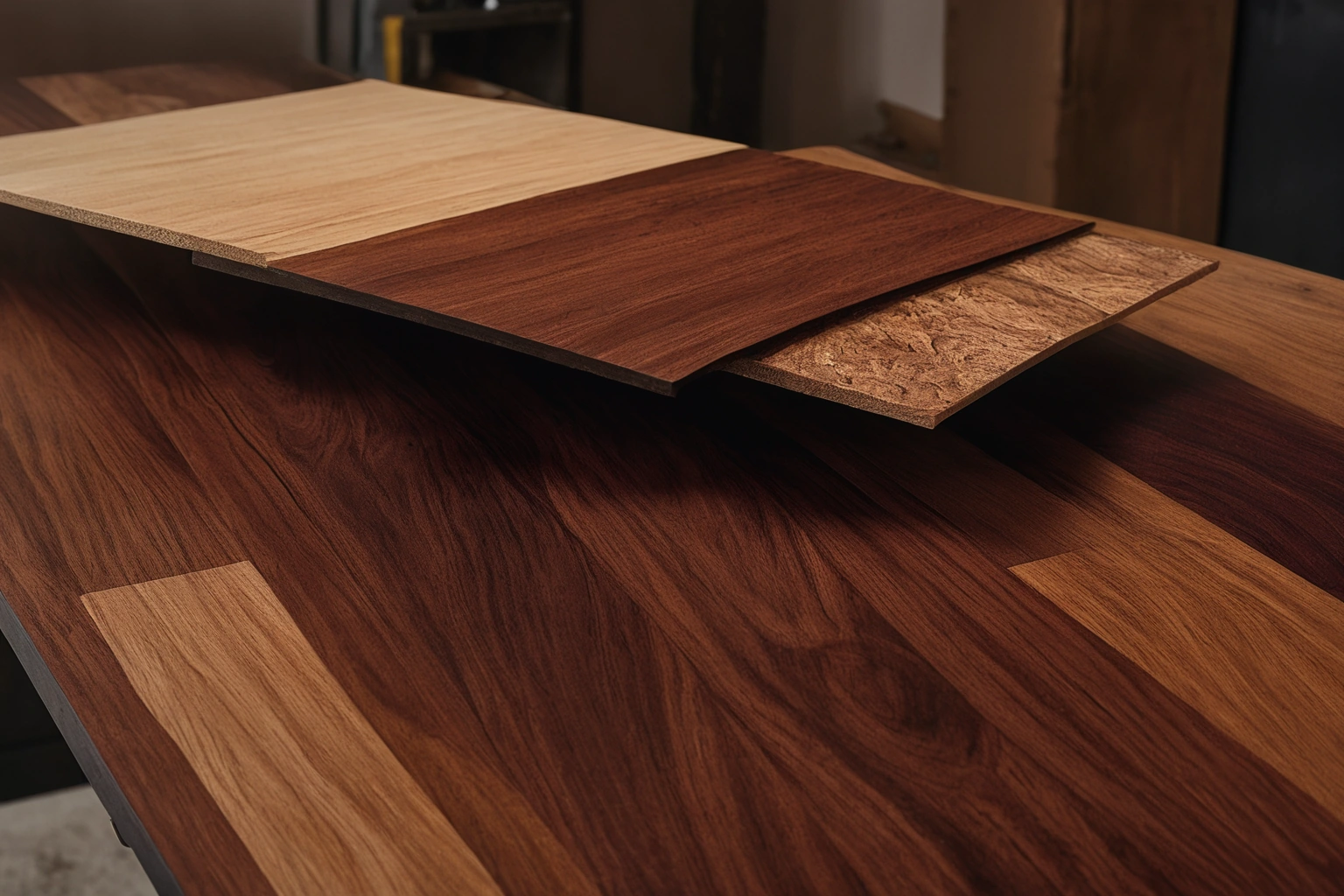
CITES lists all Dalbergia species, the rosewoods, in Appendix II from 2 January 2017, lists Brazilian rosewood in Appendix I, and exempts finished musical instruments and parts under 10 kilograms per shipment from 26 November 2019, while furniture above the threshold requires permits. CITES lists big-leaf mahogany, Swietenia macrophylla, in Appendix II from 15 November 2003 for logs, sawn wood, veneer and plywood, and finished mahogany furniture sits outside the permit scope of the listing as annotated. The United States is the main importer of big-leaf mahogany according to the CITES case study material.
| Wood or rule | Control | Key date | Furniture consequence |
|---|---|---|---|
| All Dalbergia rosewoods | CITES Appendix II | 2 January 2017 | Permits for furniture trade above exemptions |
| Brazilian rosewood | CITES Appendix I | listed earlier | Strictest trade control |
| Finished items exemption | Annotation change | 26 November 2019 | Items under 10 kg per shipment exempt in stated categories |
| Big-leaf mahogany | CITES Appendix II | 15 November 2003 | Logs, sawn wood, veneer, plywood controlled |
| EUDR, large and medium companies | EU Regulation 2025/2650 timetable | 30 December 2026 | Due diligence and geolocation duties apply |
| EUDR, small companies | EU Regulation 2025/2650 timetable | 30 June 2027 | Later application date |
Timber Industry News and the European Organisation of the Sawmill Industry reported European hardwood supply under pressure in 2026, with oak prices holding while consumption falls and roundwood exports flowing to China. Regulation and scarcity move together: a controlled species carries permit cost, and a scarce legal species carries merchant cost. A classic furniture buyer pays one or both on every rosewood or mahogany order.
What changes on 30 December 2026 under the EUDR?
The European Union Deforestation Regulation applies from 30 December 2026 for large and medium companies and from 30 June 2027 for small companies under Regulation (EU) 2025/2650, and a European Commission simplification package of 4 May 2026 kept the application dates while adjusting duties. EY Tax News and HLC reported that geolocation of production plots remains part of the due diligence system. A furniture maker who sells into the European Union must trace wood to a plot, not only to a country, for in-scope products.
- A species name on an invoice is the first document, and the Latin binomial prevents confusion between commercial names.
- A country and region of harvest is the second document, and EUDR geolocation adds plot coordinates for in-scope supply.
- A CITES permit is the third document where the species listing and the product form require a permit.
- An antique piece needs age evidence, because customs treatment and permit practice change for objects older than 100 years.
How should a buyer order rosewood or mahogany furniture in 2026?
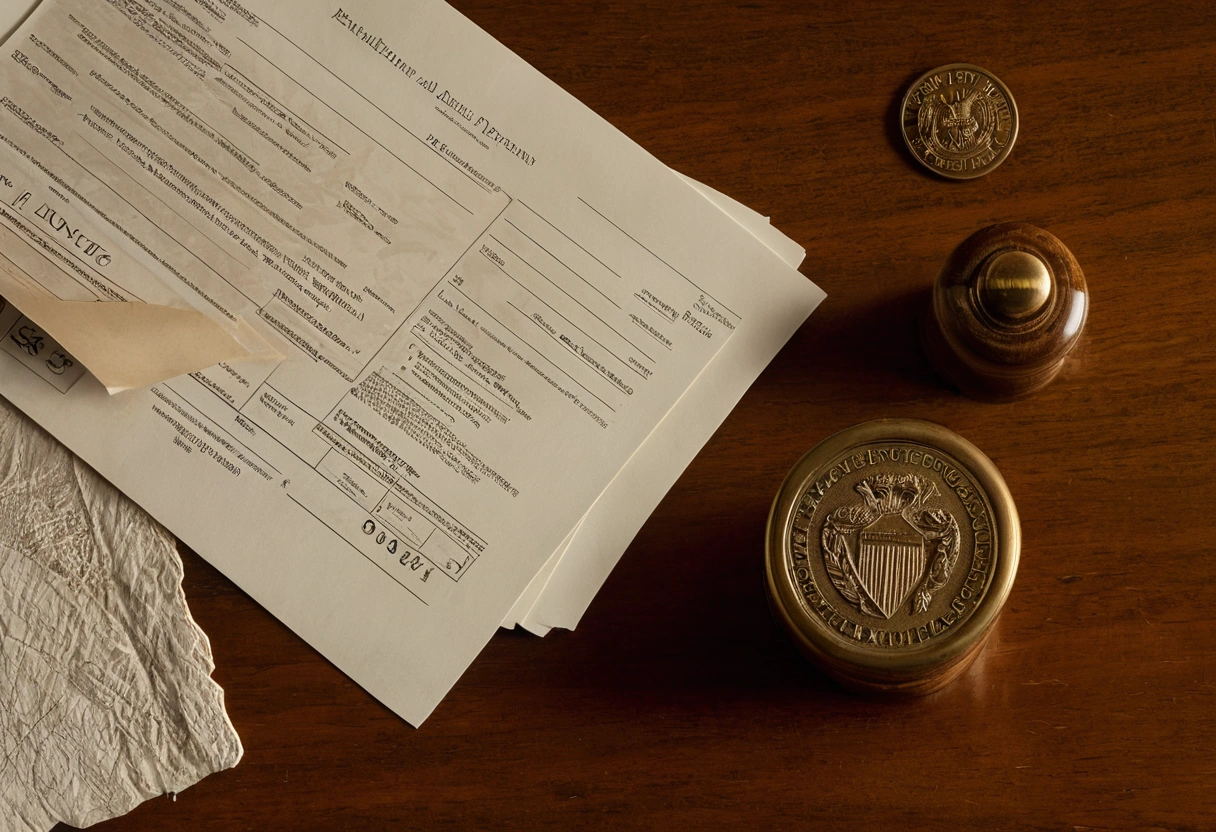
A buyer should order rosewood or mahogany furniture with the species, origin and permit path written into the contract, because a finished piece can sit outside one listing annotation and inside another rule at the same time. Brazilian rosewood in Appendix I demands the strictest reading. A Dalbergia veneer on a new commode demands a permit analysis by weight, form and destination. A mahogany table in finished form demands origin documents even where the CITES annotation focuses on logs and sawn wood.
- Ask the maker to state the Latin species name for every solid and veneer component.
- Ask the maker for harvest country and, for European Union delivery, the EUDR due diligence reference where applicable.
- Ask the maker whether the shipment needs a CITES export permit and who applies for the permit.
- Ask the maker to price a legal substitute species as an option, with a sample, before production starts.
Modenese Furniture documents wood species at order level, and documentation decides whether a classic commode crosses a border as furniture or waits as a case file. From 30 December 2026, paperwork is part of the product for wood furniture sold into the European Union. A buyer who collects the documents at order time owns furniture; a buyer who chases documents at the border owns a delay.