How Deep Should a Gravel Base Be Under a Residential Stone Path?
A residential stone path holds or fails based on one decision made before the first shovel of gravel enters the trench: the base depth. Homeowners and landscape installers planning a garden walkway need to know exactly how much aggregate separates the stepping stones from the native soil to prevent shifting, sinking, and frost heave. The required thickness depends on soil drainage class, regional frost penetration, and the mechanical properties of the chosen aggregate.
Contents
- How deep should the gravel base be for a residential stone path?
- Why does soil type change the required gravel base depth?
- What is the correct layering sequence beneath a garden stone path?
- How does frost depth affect gravel base requirements for stone paths?
- What causes a stone path to sink even with a gravel base?
Key takeaways
- A residential pedestrian stone path requires a compacted gravel base between 4 and 6 inches deep under well-draining soils in frost-free climates.
- Clay and silt soils retain water and compress under load, requiring a gravel base up to 8 inches deep for a stable stone path.
- The standard layering sequence from bottom to top is: compacted native subgrade, non-woven geotextile fabric, 4 to 6 inches of angular crushed gravel, and 1 inch of coarse bedding sand.
- In temperate climates with seasonal freezing, the gravel base must extend below the local frost line or include sufficient free-draining aggregate to prevent frost heave.
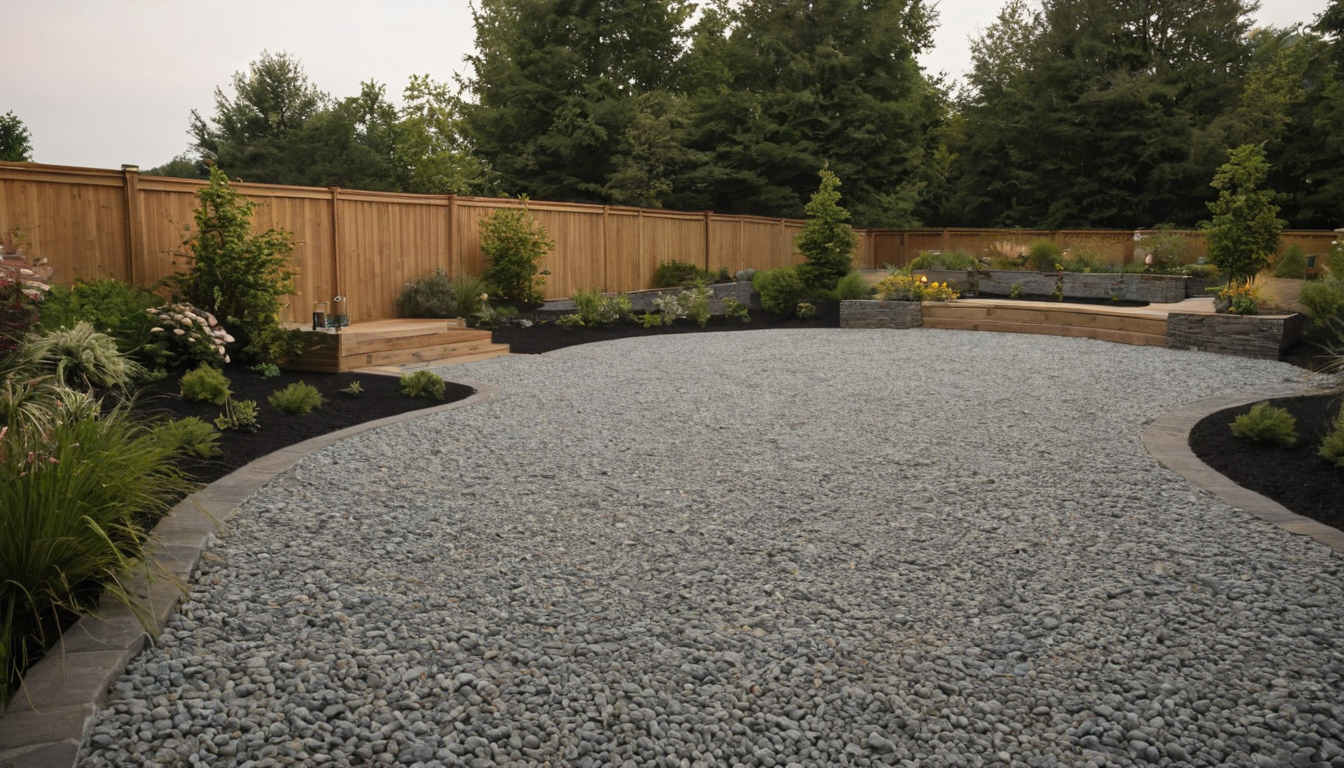
How Deep Should a Gravel Base Be Under a Residential Stone Path.
How deep should the gravel base be for a residential stone path?
A residential pedestrian stone path requires a compacted gravel base between 4 and 6 inches deep under well-draining soils in frost-free climates. This depth spreads foot traffic loads evenly across the subgrade, preventing individual stepping stones from tilting or sinking into soft earth over time.
Pedestrian garden paths carry substantially less weight than vehicular driveways. A driveway base often needs deeper aggregate to support vehicle axles without rutting. Garden walkways serve only foot traffic, so the base must maintain a stable surface that resists lateral shifting rather than bear extreme point loads. The 4-to-6-inch range provides enough mass to bridge minor irregularities in the native soil while keeping excavation manageable for a residential project.
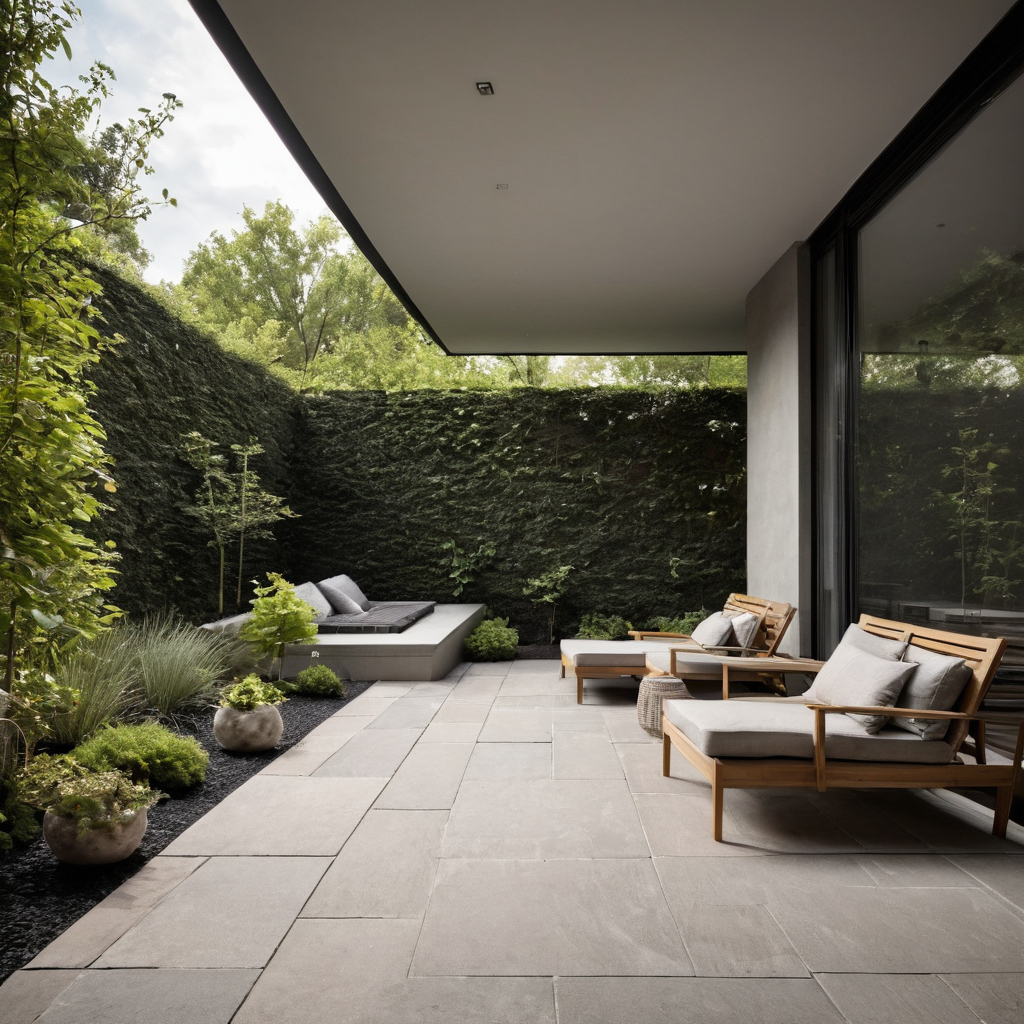
How deep should the gravel base be for a residential stone path.
The gravel layer spreads the load. When a person steps on a flagstone, the force transfers downward through the bedding sand and into the crushed aggregate below. Angular gravel pieces lock together under compaction, creating a semi-rigid mat that spreads that concentrated force over a wider area of the subgrade. Without this distribution, repeated footfalls push stones directly into the underlying dirt, creating depressions where water collects and speeds up further settling.
This baseline measurement assumes favorable ground conditions. Native soil composition determines how much support the subgrade provides beneath the aggregate. Clay-heavy ground behaves differently than sandy loam when saturated, so a single depth specification cannot guarantee stability across every site. Soil type determines whether 4 inches will hold or the trench needs to go deeper.
This baseline measurement assumes favorable ground conditions.
Why does soil type change the required gravel base depth?
Clay and silt soils retain water and compress under load, requiring a gravel base up to 8 inches deep for a stable stone path. Sandy or loamy soils drain quickly and support weight better, allowing the minimum 4-inch base depth without risking settlement or lateral shifting.
Subgrade drainage class determines how much structural support the gravel layer must provide. Fine-grained soils hold moisture against the base aggregate, softening the earth beneath pedestrian traffic. Coarse soils shed water through the profile, keeping the subgrade firm even during heavy rain. Using a single base depth for every garden ignores this mechanical difference and invites failure within the first year of use.
Check the site against these conditions before ordering aggregate:
Visible signs confirm the test results. Clay subsoil cracks into distinct polygonal plates during dry weather and turns slick and sticky after rain. Sandy subsoil resists shaping, collapses when dug vertically, and dries rapidly on the surface. Loam shows a mix of both behaviors, holding a loose shape while crumbling under slight pressure.
Why does soil type change the required gravel base depth.
Matching the measured drainage rate to the correct gravel depth prevents seasonal heaving and surface settling. Once you establish the required depth, the next step is to choose the materials that fill that space: what is the correct layering sequence beneath a garden stone path?
What is the correct layering sequence beneath a garden stone path?
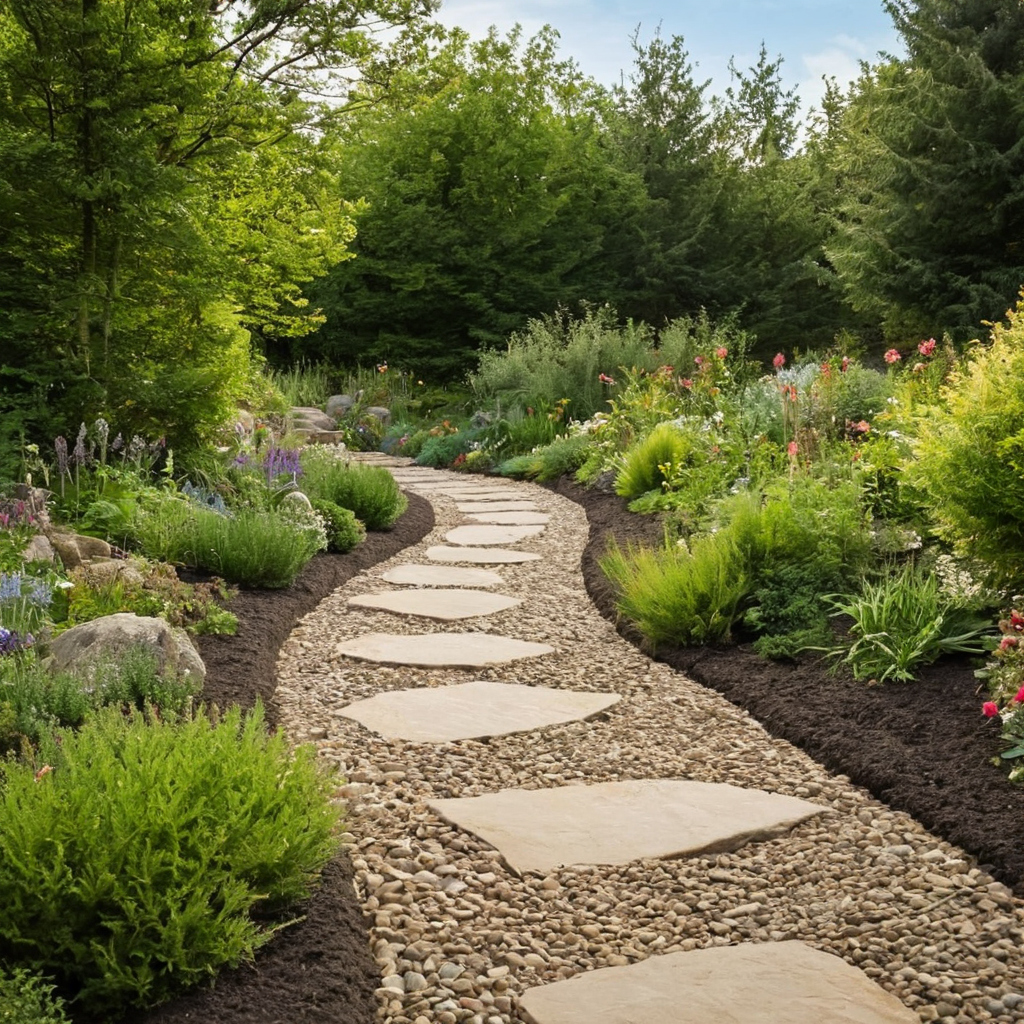
The standard layering sequence from bottom to top is: compacted native subgrade, non-woven geotextile fabric, 4 to 6 inches of angular crushed gravel, and 1 inch of coarse bedding sand. Each layer has a distinct structural role in preventing the surface stones from moving laterally.
A residential stone path requires this specific assembly order because reversing or omitting layers compromises load distribution. Installation follows four steps:
What is the correct layering sequence beneath a garden stone path.
The bedding sand layer must consist of coarse, sharp sand rather than fine masonry sand. Fine sand retains moisture and washes out through the joints during heavy rain, leaving voids beneath the stepping stones. Coarse sand locks together when screeded and allows water to drain through the profile into the gravel base below. Installers should avoid materials containing fine abrasives in the setting bed. The Natural Stone Institute warns that scouring powders or creams can scratch natural stone surfaces because those products contain abrasives (naturalstoneinstitute.org). Loose abrasive particles trapped in an improper bedding layer can cause similar scratching on the underside and edges of soft natural stone pavers as foot traffic grinds the stones against the substrate.
ASTM D2940 specifies graded aggregate material suitable for bases and subbases, requiring angular crushed stone with specific gradation limits to ensure mechanical interlock and load distribution (store.astm.org). Material meeting this specification must meet the standard's gradation table requirements for the designated maximum aggregate size. For residential garden paths carrying only pedestrian loads, a three-quarter-inch maximum aggregate size with a well-graded distribution of smaller particles fills the voids between larger stones. This dense packing transfers weight evenly across the subgrade without point loading.
Compact the angular gravel base with a plate compactor or hand tamper in layers no thicker than two inches per lift. Trying to compact the full four-to-six-inch depth in a single pass leaves the lower portion loose and prone to settlement.
Geotextile separation fabric keeps the angular gravel base from punching down into soft subgrade soil while still allowing water to pass vertically through the profile. Without this barrier, repeated foot traffic drives the gravel aggregate into underlying clay, mixing the two layers and eliminating the drainage capacity of the base. On highly stable, free-draining sandy subgrades, the separation fabric is optional because the sand already resists migration into the gravel voids. In most residential gardens where soil profiles change over short distances, installing the non-woven separator eliminates guesswork and protects the base's integrity.
Once the layers are in place and compacted correctly, the path structure can support pedestrian traffic under normal conditions. Seasonal temperature drops, however, introduce forces that static compaction alone cannot resist. How frost depth affects gravel base requirements for stone paths determines whether this assembly survives the first winter without heaving.
How does frost depth affect gravel base requirements for stone paths?
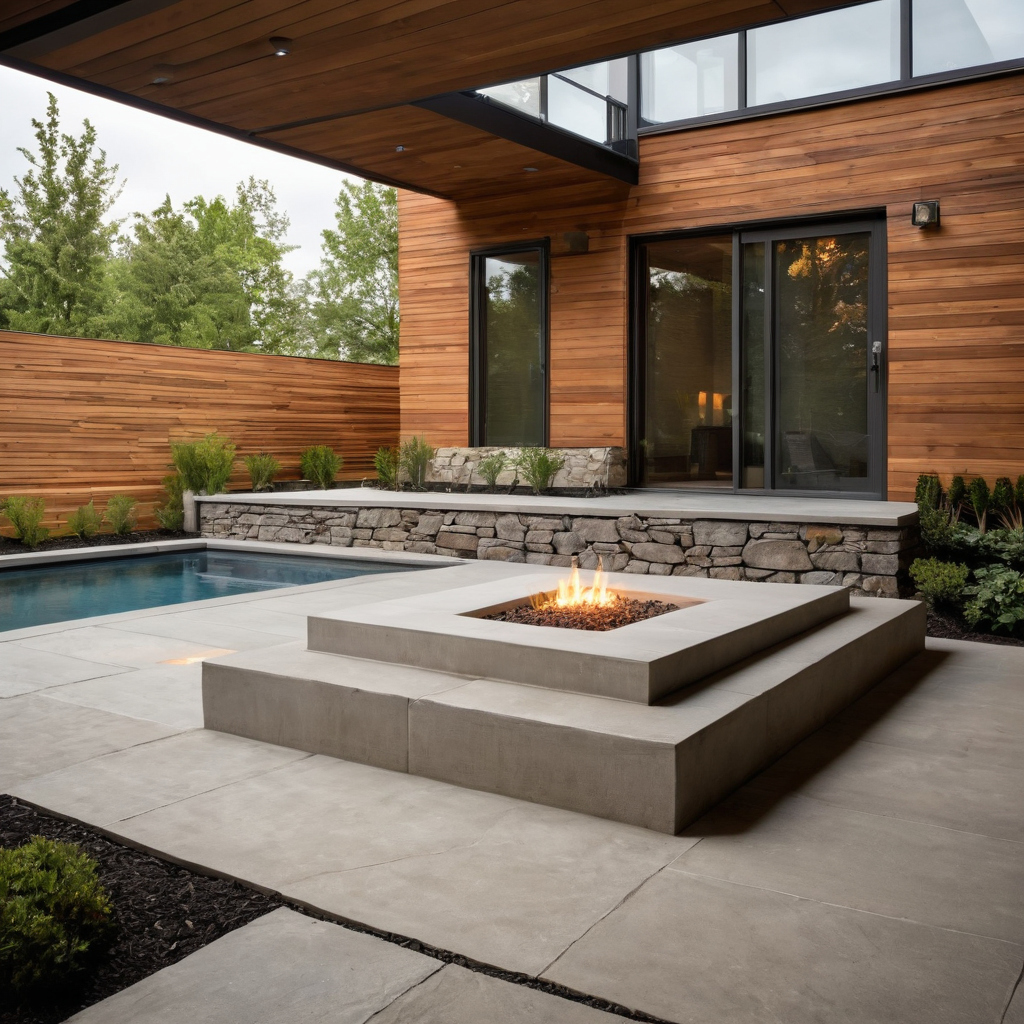
In temperate climates with seasonal freezing, the gravel base must extend below the local frost line or include sufficient free-draining aggregate to prevent frost heave. A 4-inch base in a region with deep frost penetration will reliably push stepping stones upward every spring thaw cycle.
Frost heave occurs when subfreezing temperatures draw moisture through fine-grained soils toward the freezing front. Saturated silt and clay expand as ice lenses form within the soil matrix, lifting the subgrade and everything above it. Angular crushed gravel resists this process because the voids between stones drain water away from the freezing zone before ice lenses can develop.
Base depth requirements increase proportionally with regional frost penetration. Local building codes define the frost line for specific jurisdictions, typically ranging from several inches in mild coastal areas to several feet in northern continental zones. Excavating the full subgrade to that depth is rarely practical for a residential garden path. Instead, installers combine adequate drainage, clean aggregate, and a base thickness that interrupts capillary water movement from the native soil into the bedding layers.
Subsurface drainage channels or perforated pipe placed alongside the path offer an alternative to deeper excavation. These systems redirect groundwater before it saturates the base material. Unless depth or drainage is addressed, seasonal freeze-thaw cycles guarantee surface displacement over time.
How does frost depth affect gravel base requirements for stone paths.
Even when frost is not the cause, homeowners frequently find their paths settling unevenly after installation. Understanding why a stone path sinks despite a properly sized gravel base prevents costly rework.
What causes a stone path to sink even with a gravel base?
For more on this topic, see other guides on this site.